Blog

Stop Hunting Myth vs Reality – What’s Actually Possible in OTC FX

Stop Hunting Myth vs Reality – What’s Actually Possible in OTC FX

It's easy to blame "stop hunting" when a trade turns against you, but you need to know what is plausible in OTC FX: your retail broker can see and act on visible stops if their execution model or liquidity providers permit it, while systematic, market-wide stop-hunting by major liquidity providers is largely impractical. Learn how poor execution and skimmed spreads create the appearance of manipulation and how transparent execution and regulated venues reduce that risk.Understanding OTC FX Markets Definition and Structure You operate in a market that is predominantly bilateral: OTC FX consists of spot, forwards, swaps, non-deliverable forwards (NDFs)…

Read More
VPS and Latency – When It Helps, When It’s Marketing, and How to Measure Ping to Server

VPS and Latency – When It Helps, When It’s Marketing, and How to Measure Ping to Server

latency determines perceived speed, so you need to know when a VPS actually reduces delay versus when it's just marketing; you should choose a VPS if it gives closer network hops or dedicated resources, avoid vendors promising "instant speed" when routing and peering matter, and guard against the danger of high packet loss or long RTTs; measure ping and traceroute from your users' locations and run repeated ICMP/TCP tests to get reliable averages before switching hosts. Over long distances, you'll notice network latency often determines user experience, and choosing a VPS can help - but sometimes vendors overstate gains. This…
Read More
How to Test a Broker with a Small Account – A 30-Day ‘Trust’ Protocol

How to Test a Broker with a Small Account – A 30-Day ‘Trust’ Protocol

This guide shows how you can test a broker safely over 30 days with your small account: start with minimal funds, trade low volumes, and verify withdrawals, spreads, and execution; track performance, communications, and suspicious behavior daily; escalate any unresponsive support or withdrawal delays immediately; keep risk small by using strict position sizing and stop-losses; at the end of the month confirm consistent execution, honest fees, and timely payouts before moving larger capital.Understanding Broker Basics What is a Broker? You interact with a broker as an intermediary that executes trades, provides order execution, and often custodies your assets; brokers route…
Read More
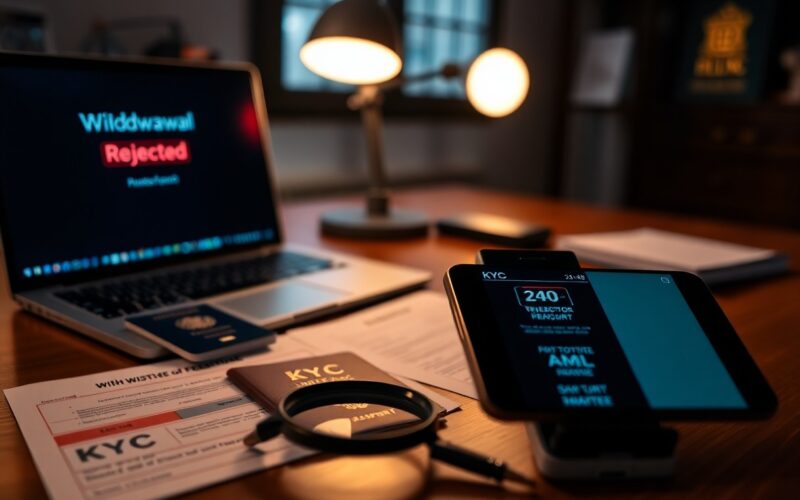
Why Your Broker Rejects Withdrawals – KYC/AML Triggers and How to Avoid Delays

Why Your Broker Rejects Withdrawals – KYC/AML Triggers and How to Avoid Delays

There's a long list of KYC/AML triggers-mismatched ID, unexplained deposits, rapid trading, and opaque source-of-funds-that can make your broker freeze or reject withdrawals. To avoid delays, make sure you submit clear, matching ID and proof-of-address, documented source-of-funds, and use consistent payment methods, respond promptly to requests, and keep transaction records. Being proactive reduces the chance of holds and speeds up approvals.Understanding Withdrawal Rejections Common Reasons for Withdrawal Issues Mismatched account details are one of the fastest ways to halt a withdrawal: if the beneficiary name, account number, or IBAN doesn't match the name on your verified profile, brokers will often…
Read More
Negative Balance Protection – When It Works, When It Doesn’t, and How Brokers Implement It

Negative Balance Protection – When It Works, When It Doesn’t, and How Brokers Implement It

Just because a broker advertises negative balance protection, you must verify terms: some brokers guarantee you cannot lose more than your deposited funds, while others provide limited protection only during normal market conditions; fast market gaps, negative swaps, or deliberately excluded instruments can leave your account exposed. Learn how different execution models, margin calls and liquidity providers affect coverage so you can choose brokers and risk settings that align with your trading needs.Understanding Negative Balance Protection Definition of Negative Balance Protection Negative Balance Protection (NBP) means that you cannot end up owing the broker more than your account balance; if…
Read More
Understanding A-Book vs B-Book – Why It Affects Spreads, Slippage and Conflict of Interest

Understanding A-Book vs B-Book – Why It Affects Spreads, Slippage and Conflict of Interest

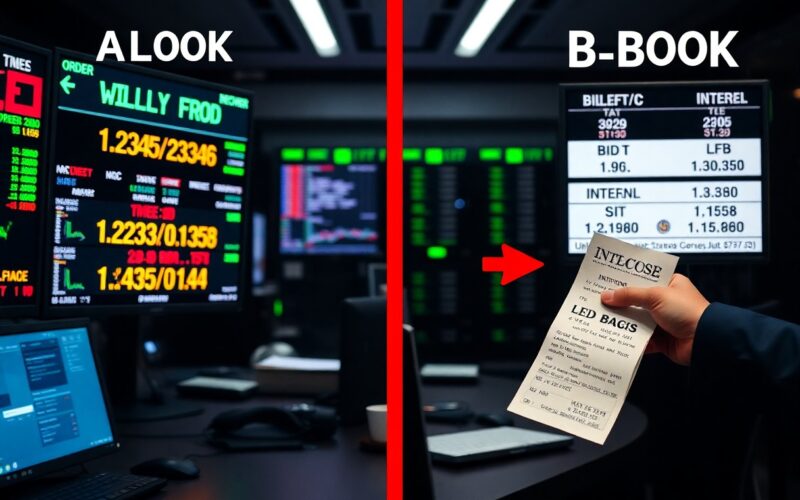
It's imperative that you understand how broker models shape execution and incentives: an A-Book routes your orders to the market, generally producing tighter spreads and less slippage and aligning the broker with your success, while a B-Book internalizes your trades, which can create wider spreads, greater slippage and potential conflicts of interest that directly affect your P&L.Defining A-Book vs B-Book Overview of A-Book Model Under an A-Book model your trades are passed straight through to liquidity providers or an ECN/STP network, so the broker acts mainly as an intermediary. In practice that means you often see raw spreads as low…
Read More
Regulation Tiers Explained – FCA vs ASIC vs CySEC vs Offshore – What Changes for Traders

Regulation Tiers Explained – FCA vs ASIC vs CySEC vs Offshore – What Changes for Traders

Traders must evaluate regulation tiers because they change costs, access, and safety for your trading. This guide explains how protections and leverage limits vary between tiers, compares FCA, ASIC and CySEC frameworks and highlights that FCA/ASIC oversight typically means stronger consumer protection and capital requirements, while offshore platforms often carry higher counterparty risk and limited recourse, so you can choose platforms aligned with your risk tolerance and trading objectives.Understanding Regulatory Tiers Definition of Regulatory Tiers You'll typically see three practical tiers: top-tier regulators (FCA, ASIC) that enforce strict client protection rules, mandatory client-money segregation and public enforcement; mid-tier EU/EEA regulators…
Read More
Broker Safety Checklist – Segregated Funds, Compensation Schemes, and Red-Flag Corporate Structures

Broker Safety Checklist – Segregated Funds, Compensation Schemes, and Red-Flag Corporate Structures

Funds offer investor protections in some products, but you should evaluate segregated funds, review firm compensation schemes for conflicts of interest and spot red-flag corporate structures like shell companies or layered ownership. Check for hidden fees, inadequate disclosure and excessive sales incentives, and prioritize firms with transparent compensation and robust guarantees so your capital and trust are protected.Understanding Segregated Funds Definition and Characteristics Segregated funds are insurance contracts that wrap pooled investment portfolios inside an insurance company vehicle, combining mutual-fund-style exposure with contractual guarantees - commonly a 75% or 100% guarantee at death or at a specified maturity (often 10…
Read More
How Central Banks ‘Talk’ Markets – Interpreting Guidance Without Overtrading

How Central Banks ‘Talk’ Markets – Interpreting Guidance Without Overtrading

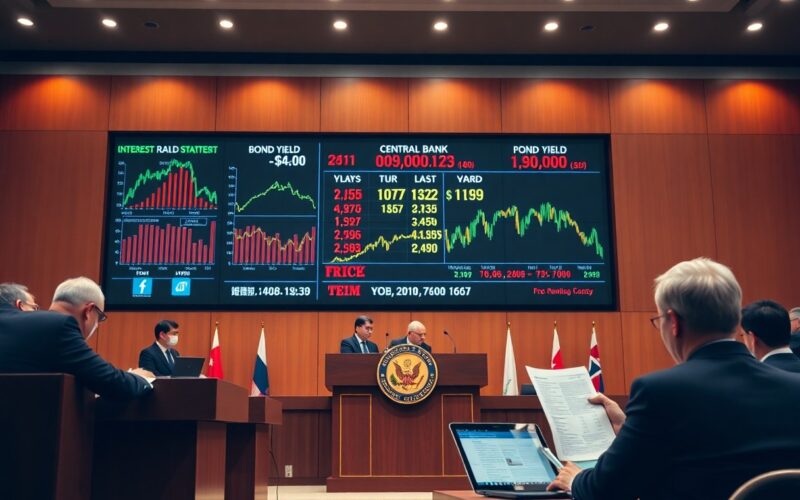
Many central bank statements are deliberate signals, and you should parse policy intent, data conditionality and messaging tone rather than fixating on single phrases; doing so prevents overtrading that erodes returns and lets you use clear guidance to position appropriately, keeping your risk sizing and timing disciplined.Understanding Central Bank Communication The Role of Central Banks You should treat central banks as both policy makers and market communicators: the Federal Reserve balances a dual mandate of 2% inflation and maximum employment, the European Central Bank prioritizes price stability, and the Bank of England targets 2% inflation as well. Their decisions at…
Read More
Swap/Rollover Explained – How Overnight Financing Is Calculated and When It Hurts

Swap/Rollover Explained – How Overnight Financing Is Calculated and When It Hurts

Just know that overnight financing can amplify losses or become a small income source depending on interest-rate differentials; this post explains how brokers calculate swaps, how rollover times and your position size affect charges, when negative compounding hits you, and practical steps to limit costly overnight fees while spotting opportunities to earn positive swap.Understanding Swap/Rollover Mechanisms Definition of Swap/Rollover Swap/rollover is the daily interest adjustment applied when you keep a leveraged position open past the broker's cut-off (usually 17:00 New York time for spot FX). It reflects the interest-rate differential between the two currencies (or the funding cost for non-FX…
Read More